Investing in an ergonomic office chair is often seen as an unnecessary expense. However, the benefits it offers can transform your work experience. Dr. James Collins, a leading authority in workplace ergonomics, once stated, “A chair that supports your body can prevent pain and boost productivity.” This highlights an essential truth about our daily lives.
Many individuals spend hours seated at desks. Without proper support, discomfort can arise quickly. Back pain, neck strain, and fatigue are common complaints. But why should I invest in an ergonomic office chair? An ergonomic chair promotes healthy posture and aligns the spine. These adjustments lead to fewer distractions from pain and more focus on tasks at hand.
In the long run, the investment pays off. Enhanced comfort can lead to a more productive work environment. However, it is crucial to remember that not every ergonomic chair will suit every individual. Finding the right fit requires exploring options. Reflecting on personal needs is vital before making a choice. Investing in your comfort is not just about the chair; it's about valuing your overall well-being.
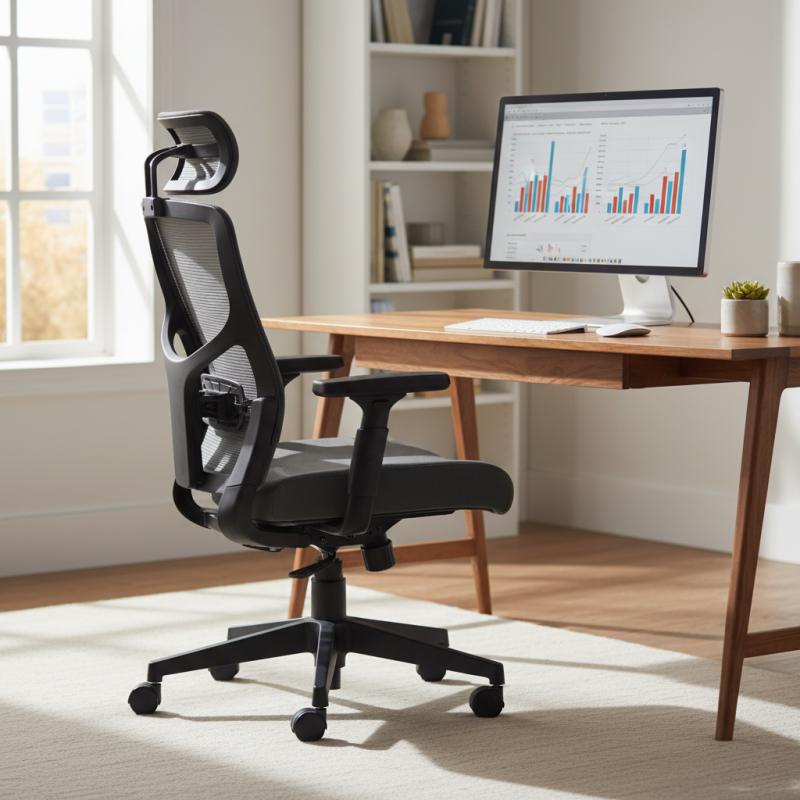
Benefits of Ergonomic Office Chairs for Long-Term Health
In today’s work environment, many of us spend hours sitting at a desk. A standard chair may feel comfortable at first, but long-term use can lead to pain and discomfort. Ergonomic office chairs are designed to support the body’s natural posture. They promote healthy spinal alignment, reducing the risk of developing musculoskeletal disorders.
Investing in an ergonomic chair is crucial for long-term health. These chairs often feature adjustable components, allowing you to find the perfect fit. A well-fitted chair can alleviate pressure on the lower back and enhance overall comfort. Regular use can lead to increased productivity. However, it’s important to remember that no chair can replace the need for movement. Frequent stretching and short breaks are still essential.
Choosing an ergonomic chair can be overwhelming due to various features. Not every chair will suit every person. Personal preferences play a significant role in finding the right one. Some might prioritize seat depth, while others might focus on armrest height. Understanding your body’s needs is key. Listening to your body’s signals will encourage better choices.
Key Features to Look for in an Ergonomic Office Chair
When investing in an ergonomic office chair, consider its key features carefully. Comfort begins with adjustability. Look for chairs that allow you to customize the height, seat depth, and backrest angle. A chair tailored to your body can help reduce strain during long workdays. Many chairs provide lumbar support, yet not all support the spine correctly. It’s important to find a chair that fits your unique shape.
Next, material plays a crucial role in comfort. Breathable fabrics can keep you cool, while cushioned seats provide additional comfort. However, overly soft seats may lead to bad posture. It’s a balancing act. Some chairs feature armrests that help with shoulder tension. But again, armrests must be adjustable to avoid discomfort.
Finally, consider the chair's stability. A sturdy base and smooth-rolling casters enhance mobility. This promotes movement and lessens fatigue. Remember, your choice should reflect both comfort and functionality. Ergonomic chairs can greatly improve your work experience, but it's essential to choose wisely.
How Ergonomic Designs Enhance Productivity and Focus
Ergonomic office chairs are designed to promote comfort and enhance productivity. When you sit properly, your focus improves. A well-structured chair supports your spine, reducing discomfort and fatigue. This comfort translates to longer hours of productivity without distraction.
Many people overlook the impact of physical well-being on mental acuity. When you’re less tense, it's easier to concentrate. An ergonomic chair can adjust to your body type, providing personalized support. Remember, a chair that feels good can help you stay motivated throughout the day.
However, not everyone finds instant relief with ergonomic designs. Some may need time to adapt or require additional adjustments to achieve the best fit. It's crucial to reflect on your own needs and preferences. Investing in an ergonomic chair can be a step towards a healthier work environment, but it’s not a one-size-fits-all solution.
The Impact of Poor Seating on Posture and Comfort
Poor seating can severely impact posture and comfort, leading to long-term health issues. A report by the National Institute for Occupational Safety and Health found that around musculoskeletal disorders affect 3.8 million workers in the U.S. annually. These disorders are often linked to inadequate seating arrangements. Proper support is essential. Without it, the spine can become misaligned, causing discomfort and pain.
Research shows that a significant number of office workers spend more than eight hours a day sitting. The World Health Organization emphasizes that prolonged sitting increases the risk of chronic conditions like obesity and cardiovascular disease. A good ergonomic chair promotes a natural sitting position, reducing unnecessary strain on the back and neck. Simple changes can make a remarkable difference. For instance, adjusting chair height can enhance comfort and support.
However, not all ergonomic chairs are created equal, and it’s essential to assess them carefully. Some may promise support but fail to deliver. An investigation from the American Journal of Industrial Medicine highlights that users often experience discomfort even with supposedly ergonomic designs. This calls for reflection on personal needs and the importance of trying out different options before making a choice. Comfort is crucial, and investing in the right chair can lead to better posture and well-being in the long run.
Investing in Quality: Costs vs. Benefits of Ergonomic Chairs
Investing in an ergonomic office chair brings numerous benefits, particularly for those who spend long hours at their desks. According to a report by the Occupational Safety and Health Administration (OSHA), proper seating can significantly reduce muscle strain. Many users experience reduced discomfort when using chairs designed with lumbar support and adjustable features. The initial cost may seem high, but the long-term health benefits outweigh the investment.
In terms of productivity, ergonomic chairs may enhance work performance. The American Journal of Public Health published findings indicating that proper seating could increase workplace productivity by up to 17%. Furthermore, workers using ergonomic chairs report fewer days off due to back pain, saving companies on health-related costs. Employees are more focused and engaged when comfortable.
**Tip:** Consider trying out a chair for a week to see how it affects your comfort levels.
When choosing an ergonomic chair, look for adjustable height and support features. This customization helps cater to individual body types. Remember, not every ergonomic option will suit everyone. A chair might feel great for a few minutes but may become uncomfortable over a longer period.
**Tip:** Don't hesitate to test different models and brands to find what fits your needs best.
Why Should I Invest in an Ergonomic Office Chair for Comfort?
| Feature |
Standard Chair |
Ergonomic Chair |
Benefits |
| Adjustability |
Limited adjustment options |
Height, armrests, backrest angle adjustable |
Customized fit to user’s body |
| Lumbar Support |
Minimal or no support |
Contoured lumbar support |
Reduces back pain |
| Seat Depth |
Standard depth |
Adjustable seat depth |
Improves circulation |
| Materials |
Basic foam padding |
High-density foam, breathable fabric |
Increases comfort during long sitting |
| Price Range |
$50 - $150 |
$200 - $1000 |
Long-term investment in health |
| Warranty |
1 year |
5 - 10 years |
Peace of mind with durable product |
Conclusion
In today's increasingly sedentary work environments, one of the most pressing questions for employees is, "Why should I invest in an ergonomic office chair?" Ergonomic office chairs are designed to support the natural posture of the body, significantly reducing the risk of long-term health issues such as back pain and repetitive strain injuries. Key features to consider include adjustable height, lumbar support, and cushioning that conform to your body shape, all of which contribute to enhanced comfort and well-being during long hours of work.
Moreover, ergonomic designs not only promote health but also enhance productivity and focus by allowing users to maintain better posture throughout the day. Conversely, poor seating can lead to discomfort and adversely impact mood and efficiency. By weighing the costs versus the long-term benefits of investing in a quality ergonomic chair, employees can make informed decisions that contribute to their overall health and work performance.

 Nichols furniture