Fabric sofas bring warmth to a room, but spills can quickly become visible on pale upholstery. This guide explains How to remove stains from fabric sofas naturally, using gentle household methods and careful observation. The safest approach begins with the sofa’s cleaning code, usually found beneath a cushion. A “W” permits water-based cleaning, while an “S” requires solvent-based care. Some fabrics allow neither. Check first.
Cleaning expert Don Aslett is often credited with saying, “The best way to clean is not to get dirty.” His advice remains practical today. Blot fresh coffee with a dry white cloth. Do not rub. Rubbing can push liquid deeper and spread the mark. Mix a small amount of mild soap with cool water. Test it on a hidden seam. Watch for color transfer. Then dab the stain from its outer edge toward the center. A soft brush may loosen dried crumbs, but pressure should remain light.
For greasy marks, sprinkle a thin layer of baking soda and leave it briefly. Vacuum gently afterward. Natural does not always mean harmless. Vinegar, lemon juice, and strong essential oils may weaken fibers or change their color. I have found that patience often works better than stronger mixtures. Still, homemade methods can fail on old stains or delicate fabrics. If a shadow remains, stop experimenting and consult a qualified upholstery cleaner. This guide values clean results, but it also respects the sofa’s original texture, dye, and construction.
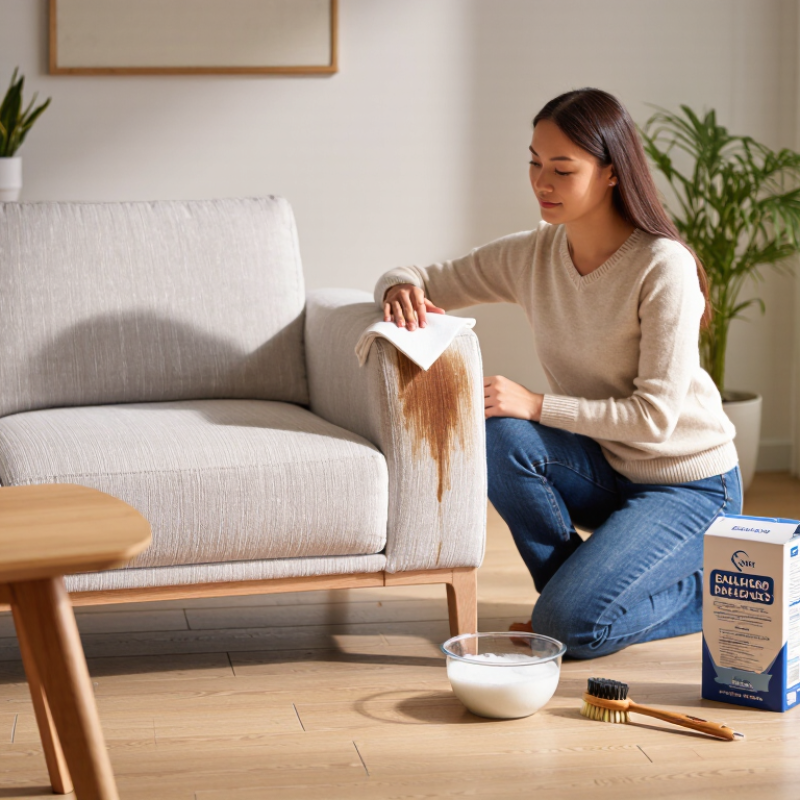
China Best How to Remove Stains from Fabric Sofas Naturally?
Fabric Sofa Stain Types and Natural Cleaning Principles
Fabric sofa stains behave differently, so identification matters more than choosing a fashionable “natural” cleaner. Water-based stains include coffee, tea, and juice. Oil-based marks come from butter, cosmetics, or greasy food. Protein stains, such as milk or egg, may develop odors when heated. Ink and dye stains can spread quickly through damp fibers. The cleaning principle is simple: remove solids, blot moisture, and avoid rubbing.
The U.S. Environmental Protection Agency reports that indoor pollutant levels can sometimes be two to five times higher than outdoor levels. This supports choosing low-odor methods and improving ventilation during cleaning. Begin with distilled water and a small amount of mild, unscented soap. Apply it to a white cloth, not directly onto the sofa. Blot from the outside toward the center. Use baking soda for dry odor absorption, then vacuum it carefully.
Natural does not mean risk-free. Vinegar may affect dyes, coatings, or delicate fibers. Baking soda can also leave powder inside loose weaves. I once used too much water on a cushion and created a wider tide mark. That mistake still matters. Check the care label, test an unseen area, and let the fabric dry completely. For oil stains, absorb first with plain cornstarch, then use minimal moisture. Persistent ink, dye, or unknown stains may require a trained upholstery cleaner.
Approximate pH values of common household cleaning materials
How to apply the principle:
Removing stains from a fabric sofa naturally starts with the right tools. Check the upholstery care label before applying anything. A vacuum with a soft brush removes grit without scratching fibers. Prepare white microfiber cloths, a soft toothbrush, a small bowl, and a spray bottle. Use white materials to prevent accidental color transfer.
For a gentle cleaning solution, mix cool distilled water with a few drops of mild dish soap. Distilled water reduces mineral marks on dark fabrics. Baking soda can absorb fresh odors, but it should be vacuumed away completely. Natural does not always mean harmless. Lemon juice and strong vinegar may fade fabric or weaken delicate fibers. Avoid them unless the manufacturer approves their use.
Blot stains from the outside toward the center. Never scrub aggressively. Apply the solution to a cloth, not directly onto the sofa. Test a hidden area and wait until it dries. This small step can reveal color bleeding or water rings. I once used too much water on a cushion and created a larger mark than the original stain. It was a useful mistake. Work with light pressure, then lift moisture using a dry towel. Keep windows open and let the fabric dry fully before sitting down. A fan can improve airflow, but high heat may damage fibers.
Natural cleaners can work on fabric sofas, but testing them matters more than the recipe.
The U.S. EPA’s 2023 Safer Choice Annual Report listed more than 2,000 qualifying products, showing why ingredient safety and performance both deserve attention.
Natural does not always mean gentle. Lemon juice, vinegar, and strong soap can alter dye, weaken fibers, or leave a pale ring.
Choose a hidden area under the cushion or behind the sofa. Remove loose dust first. Apply a small amount of diluted cleaner to a white cotton cloth, not directly onto the fabric. Press gently for 30 seconds, then wait until the area dries completely.
Check for color transfer, stiffness, water marks, and odor. A pH strip can reveal whether the mixture is too acidic or alkaline. AATCC colorfastness methods, including crocking evaluations, support this careful transfer check. Still, home testing is less controlled. That limitation matters.
Tips:
Use distilled water when possible. Test one cleaner at a time. Photograph the fabric before testing. If the patch looks different, stop. Do not mix ingredients. Baking soda may absorb odors, but it can leave powder inside dense upholstery.
I once assumed a mild-smelling solution was harmless; the dried edge proved otherwise. Patience is less impressive, but safer.
China Best How to Remove Stains from Fabric Sofas Naturally?
Step-by-Step Methods for Removing Common Sofa Stains
Check the sofa’s care label before using any solution. Vacuum loose crumbs with a soft brush attachment. Then test your mixture on a hidden seam. Natural cleaners can still fade delicate fabric. I learned this after a strong vinegar mix left a pale patch on an old cushion.
For fresh food or coffee stains, lift solids with a spoon. Press a clean, dry cloth onto the spill. Do not rub. Mix lukewarm water with a few drops of mild soap. Dab from the outside toward the center, changing the cloth as it absorbs color. Remove soap residue with a lightly damp cloth. Blot again, then let the area air-dry.
Grease needs a different approach. Cover the mark with baking soda for 20 minutes. Vacuum it gently. For ink, avoid spreading the stain with water. A barely damp cotton swab may lift small marks, but test first. Pet accidents require quick action. Blot moisture, apply diluted white vinegar, and blot again. The smell may remain if liquid reached the padding. That is not a surface-cleaning failure; deeper treatment may be necessary. Keep windows open while the sofa dries, and never soak the fabric. Damage often comes from too much water, not too little.
China Best How to Remove Stains from Fabric Sofas Naturally?
Drying determines whether natural cleaning truly works. After blotting a stain, press a clean towel onto the fabric without rubbing. Open nearby windows and use a fan to move air across the cushion. The U.S. EPA recommends indoor humidity between 30% and 50%, and below 60% overall. High humidity slows evaporation and may encourage musty odors. FEMA guidance notes that wet materials should be dried within 24–48 hours when possible. Do not sit on the sofa until the fabric feels completely dry.
After drying, inspect the area under bright, natural light. A faint ring can remain, especially on cotton or linen blends. Lightly brush the fibers in one direction, then vacuum with a soft upholstery attachment. Test any diluted vinegar or mild soap solution on a hidden seam first. I have found that less water usually gives better results, although stubborn stains sometimes need professional assessment. The IICRC S300 standard also emphasizes fabric identification and controlled moisture during upholstery cleaning.
Tips: Keep curtains open during daytime drying. Place washable throws on high-use seats. Remove spills quickly. Avoid eating oily foods on light fabric. Clean sofa arms monthly, because skin oils accumulate there. A small humidity meter helps prevent slow drying. Do not ignore a damp smell.
| Stain Type | Immediate Action | Natural Cleaning Method | Drying Method | Important Precaution |
|---|---|---|---|---|
| Water-based drinks, juice, or tea | Blot immediately with a clean, white, absorbent cloth. Do not rub. | Mix a small amount of mild liquid soap with lukewarm water. Apply the foam sparingly with a cloth, then blot with clean water. | Press with a dry towel and allow the area to air-dry with good ventilation. | Excess water can cause water rings, dye transfer, or cushion deformation. |
| Coffee | Lift any solids and blot the liquid from the outside toward the center. | Use diluted mild soap solution. For a remaining odor, sprinkle a light layer of baking soda after the fabric is nearly dry, leave for several hours, and vacuum gently. | Keep the cushion uncovered until completely dry. Use a fan on a low, cool setting if necessary. | Do not use baking soda on damp fabric or leave powder where children or pets can reach it. |
| Grease or oily food | Gently lift solid residue with a spoon or dull edge. Avoid pressing the oil deeper into the fibers. | Cover the spot with cornstarch or baking soda for 15–30 minutes, then vacuum. Follow with a small amount of mild soap solution if the care label permits water cleaning. | Blot with a dry towel and let the fabric dry naturally. | Do not soak oily stains; water alone does not dissolve most grease. |
| Chocolate or food residue | Allow soft chocolate to cool and harden slightly, then scrape carefully without damaging the weave. | Apply diluted mild soap solution with a barely damp cloth. Work from the outside inward and blot between applications. | Place a clean towel over the area and press gently, then air-dry. | Avoid hot water because heat may set protein or oily components. |
| Mud or soil | Let the mud dry completely before removing loose particles. | Vacuum gently using a suitable upholstery attachment. Treat any remaining mark with a small amount of mild soap solution. | Blot moisture and keep the fabric exposed to circulating air. | Rubbing wet soil can spread the stain and push grit deeper into the upholstery. |
| Pet urine or organic odors | Blot as much liquid as possible immediately and remove washable covers if permitted. | Use a diluted white vinegar solution only if the fabric care instructions allow it, then blot with clean water. Persistent odors may require an enzyme-based upholstery cleaner or professional service. | Dry thoroughly in a ventilated area; do not close or cover the cushion while damp. | Never mix vinegar with chlorine bleach or ammonia. Test vinegar on a hidden area first. |
| Ink or dye transfer | Blot carefully and stop if color begins to spread. Keep the mark away from heat. | Natural household methods are unreliable for many inks. Check the upholstery care code and seek professional advice before using a solvent. | Air-dry only after treatment has been completed and the area has been blotted. | Alcohol, solvents, and aggressive rubbing can remove fabric dye or damage synthetic fibers. |
| Unknown or set-in stain | Vacuum loose debris and identify the upholstery care code before applying moisture. | Test a mild soap solution on a concealed area. If discoloration, shrinking, or texture change occurs, stop and contact a professional cleaner. | Use minimal moisture and dry rapidly with airflow. | Older stains may be chemically set and cannot always be removed without changing the fabric appearance. |
Coffee, tea, and juice are usually water-based stains. Grease, butter, and cosmetics leave oil-based marks. Milk and egg are protein stains. Ink can spread through damp fibers. Identification guides the method.
Remove solid pieces gently. Press a white cloth onto the spill. Blot from the outside toward the center. Do not rub. Rubbing pushes moisture deeper.
Mix cool distilled water with a few drops of mild, unscented soap. Apply it to a white cloth, never directly onto the sofa. Use light pressure. Less moisture is safer.
Cover the fresh mark with plain cornstarch. Leave it briefly to absorb the grease. Vacuum the powder carefully. Use minimal moisture afterward. Oil needs absorption first.
Yes, baking soda can absorb fresh odors. Sprinkle a thin layer over dry fabric. Vacuum it completely with a soft brush. Powder may remain inside loose upholstery. I once used too much.
Treat both with caution. They may fade dyes, weaken fibers, or create pale rings. Natural does not mean harmless. Avoid them unless the care instructions approve them.
Choose a hidden area beneath a cushion or behind the sofa. Remove dust first. Press diluted cleaner onto the fabric with a white cloth for 30 seconds. Let it dry fully. Check for color transfer, stiffness, marks, or odor.
Use a small amount of solution and lift moisture with a dry towel. Keep windows open while cleaning. A fan can improve airflow. Avoid high heat. I once soaked a cushion and made the mark wider.
Stop if the hidden test changes color or texture. Persistent ink, dye, or unknown stains may need trained upholstery help. Home testing has limits. That limitation matters.
How to remove stains from fabric sofas naturally begins with identifying the stain type and choosing a gentle cleaning approach. Water-based marks, grease, food, ink, and pet stains may each require different treatment, but the safest principle is to act quickly without oversaturating the fabric. Prepare simple tools such as a vacuum, soft cloths, a soft brush, mild soap, baking soda, white vinegar, and clean water. Always check the sofa’s care label and test any natural cleaner on a hidden area first to ensure it does not cause discoloration or damage.
For common stains, remove loose residue, blot rather than rub, and apply a small amount of the appropriate diluted solution. Grease can benefit from absorbent powder, while light food or drink marks may respond to gentle soapy water. After cleaning, blot away moisture, allow the sofa to air-dry completely, and brush the fabric lightly if needed. Regular vacuuming, prompt spill treatment, and using washable covers can help prevent future stains and keep the fabric sofa fresh.
Nichols furniture