In modern interior design, dining chairs play a crucial role. They can elevate a space or clash dramatically. Knowing how to mix and match dining chairs for a modern look can transform your dining area. This approach enhances visual interest and flexibility. Unique combinations reflect personal style and creativity.
Consider the balance of colors, materials, and shapes. It's not always easy to blend different styles while maintaining harmony. You may feel uncertain about mixing bold colors with neutral tones. Take risks, but be mindful of coordination. Think about comfort and functionality as well.
Surprisingly, even small changes can make a big impact. Don't shy away from imperfection; embrace it. Creating a layered look may result in less-than-perfect combinations. However, this can add character to your space. Try experimenting with various styles to find what speaks to you. Remember, your dining chairs should tell a story.
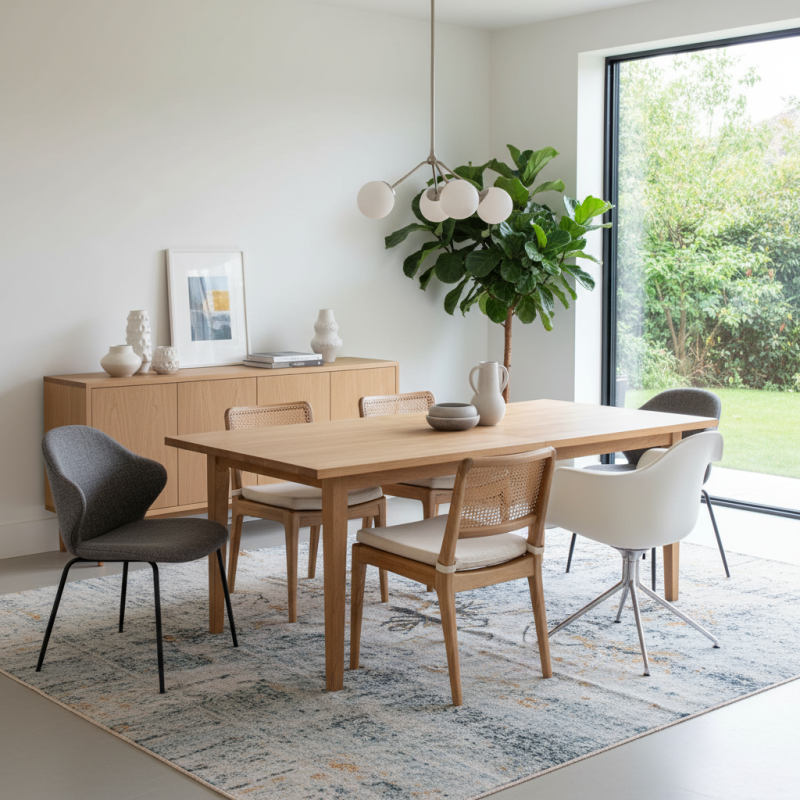
When it comes to modern dining chair aesthetics, clarity and coherence are key. The right chairs enhance a dining area’s vibe. They should reflect personal style without overwhelming the space. Think about materials, colors, and shapes. Mixing wood with metal creates visual interest. A wooden chair alongside a sleek metal one can be stunning.
Texture plays an essential role in modern design. A velvet accent chair can contrast beautifully with leather seats. Consider the heights of the chairs too. Adhering to similar heights maintains harmony. Yet, it’s okay to experiment with various designs. A casual approach can yield unexpected results.
Color coordination is crucial. Neutral tones can blend seamlessly, while bold pops can provide excitement. However, balance is essential. Too many colors can create chaos. Take time to evaluate the overall look. Sometimes, a simple adjustment can elevate your dining space. Engaging with different styles is fun but can be a challenge. Stay true to your vision while embracing a bit of unpredictability.
Balancing colors in your dining space is essential. The right chair shades can create harmony or contrast. When selecting dining chairs, consider your table and overall room palette. Are your walls light or dark? What about the floor? These factors play a crucial role. A bold navy chair might clash with a soft beige table. Instead, choose a light gray that complements both.
Don’t be afraid to mix shades. If you choose beige chairs, consider adding an accent color to a few. Perhaps a deep green or burnt orange. This can add personality to your space. Layering tones can create interest, but balance is key. Overdoing contrasting colors can lead to chaos. For example, multiple vibrant shades can overwhelm your room.
Reflect on the style you want to achieve. If your dining area feels too modern, a vintage chair could ground it. Mixing different chair styles can work well too. Just ensure they share complementary colors or textures. A mismatched look often works best when there's a common theme. Take your time in selecting. Color and style can significantly impact the atmosphere of your dining experience.
When designing a modern dining space, material choices play a vital role. The dining chair's texture and finish can significantly impact the overall aesthetic. For example, a recent industry report highlights that 45% of consumers prefer natural materials, such as wood and leather, for their warmth and durability. Mixing textures can create depth. Consider pairing sleek metal chairs with upholstered ones for a striking contrast.
Incorporating different finishes not only enhances visual interest but also invites tactile experiences. A study from the Furniture Industry Association found that 38% of buyers expressed a desire for varied finishes to reflect personal style. Matte and glossy surfaces can coexist harmoniously, offering both sophistication and casual charm. However, don't overlook challenges. Balancing too many textures can lead to visual chaos. Aim for harmony while allowing for some individuality in each piece.
Be mindful of the size and scale as well. Oversized chairs can overpower a small space, while petite designs might get lost in larger settings. The right proportions are crucial. Experimentation is key, but thoughtful selection can lead to a cohesive and inviting dining area. Keep in mind that even the most carefully curated spaces may sometimes feel inconsistent. Allow yourself the freedom to adjust as needed.
When mixing and matching dining chairs, varying heights can create an interesting yet balanced look. Research by the American Society of Interior Designers suggests that seating height significantly influences comfort and style. Ideally, chair seat heights should be within 5 centimeters of one another to achieve harmony. This small difference can impact both aesthetics and user experience at the dining table.
Consider those with varying tastes in design. A taller chair next to a shorter one may disrupt the visual flow. For instance, a barstool alongside a standard dining chair might feel awkward. According to recent studies, 62% of respondents reported discomfort when seating heights do not align appropriately. Mixing designs allows for creativity, but comfort remains paramount. It's crucial to test your arrangement before committing to it fully.
Don't hesitate to experiment with shapes, colors, and materials. A mix of classic and modern styles can add depth to your dining area. However, be mindful of potential mismatches. Remember, the goal is to create a coherent look while ensuring everyone feels comfortable. Furniture placement should invite conversation and make dining enjoyable. Balancing height differences adds a layer of complexity, but it is part of the journey toward achieving that perfect dining experience.
| Chair Style | Height (inches) | Material | Comfort Rating | Color Options |
|---|---|---|---|---|
| Mid-Century Modern | 18 | Wood | 8/10 | Teal, Walnut, Cream |
| Industrial | 19 | Metal | 7/10 | Black, Gray, White |
| Scandinavian | 17 | Plywood | 9/10 | Light Oak, Pastels, White |
| Contemporary | 20 | Plastic | 8/10 | Bright Red, Blue, Yellow |
| Rustic | 18.5 | Reclaimed Wood | 9/10 | Brown, Green, Beige |
Creating a cohesive look in your dining space is essential for a modern aesthetic. The key is to integrate your dining chairs with your table style effectively. Research shows that nearly 70% of homeowners prioritize a harmonious design. Mixing and matching chairs can be a challenge, but it also invites creativity. Diverse textures and colors can highlight your table's features or add contrast.
Choose chairs that complement your dining table's shape and material. For instance, a sleek glass table pairs wonderfully with minimalist wooden chairs. According to a study by the American Home Furnishings Alliance, rooms designed with varied seating can enhance social interaction by up to 30%. However, the wrong combination can disrupt balance. It's vital to select hues that coordinate, yet provide a visual punch.
Understanding proportions is vital as well. Ensure your chairs are the appropriate height and width, facilitating comfort and style. A mismatch can make your dining area feel disjointed. Reflecting on trends from 2023, neutral tones with pops of bright colors dominate spaces. Use this as inspiration while ensuring that each element feels personal. A little experimentation can lead to discovery; embrace imperfections in your design journey.
: Consider your table and room palette. Light or dark walls matter. A light gray may suit better than bold colors.
Yes, mixing shades can add personality. For example, pairing beige chairs with an accent deep green is effective.
Ideal chair heights should be within 5 centimeters. This small difference affects both comfort and visual harmony.
Yes, but they should share similar colors or textures. A common theme helps create a cohesive look.
Experiment with classic and modern styles. Just be cautious of mismatches that may disrupt your design intentions.
Very important. Discomfort can arise from varying heights. Ensure they facilitate comfort at the dining table.
Choose chairs that complement the table's shape and material. This ensures a harmonious and modern aesthetic.
Neutral tones with bright pops are popular. Use these trends to inspire your personal design journey.
In exploring how to mix and match dining chairs for a modern look, it is essential to choose styles that align with contemporary aesthetics. Understanding the unique design aspects of modern dining chairs can help you select pieces that resonate with your overall theme. Balancing colors is another crucial element; opting for complementary shades can enhance the visual appeal of your dining space.
Additionally, materials play a significant role in the mixing process — experimenting with different textures and finishes creates depth and interest. When varying chair heights, it’s important to maintain comfort levels, ensuring that all chairs function well together without compromising usability. Finally, a cohesive look can be achieved by integrating the selected chairs with your dining table style, creating a harmonious and inviting dining area.

Nichols furniture