China Best Recliner or Bench for Back Pain?

Time:2026-10-13 Author:Sienna
0%

Choosing the China Best Recliner or Bench for Back Pain is not simply a matter of appearance or price. A chair may look supportive in a showroom, yet feel stiff after twenty minutes at home. The same bench may suit short sitting but worsen discomfort during long work sessions. So, is a recliner or a bench better for back pain? The honest answer depends on posture, body shape, daily habits, and the cause of the pain.

A well-designed recliner can support the lower back, raise the legs, and reduce pressure around the hips. Its headrest should support the neck without pushing the head forward. A bench can encourage a more upright position, especially when it has firm cushioning and a properly angled backrest. However, a flat, hard bench may create pressure beneath the thighs. Small details matter. Seat depth, lumbar firmness, foot support, and adjustable positioning can change the experience completely.

Comfort is not proof of medical benefit.

Recommendations from physiotherapists and orthopedic professionals should guide anyone with persistent or severe pain. Product testing also matters. Sit with both feet supported, check whether your knees remain level, and notice if your lower back stays naturally aligned. Try the chair for at least several minutes. Real use reveals flaws.

Some product descriptions sound impressive but provide little evidence. That deserves caution. Measurements, material information, warranty terms, and customer feedback offer more reliable clues. This guide compares recliners and benches available from Chinese manufacturers, while recognizing an important limitation: no single seat works for every back. Expect practical comparisons, not a perfect answer.
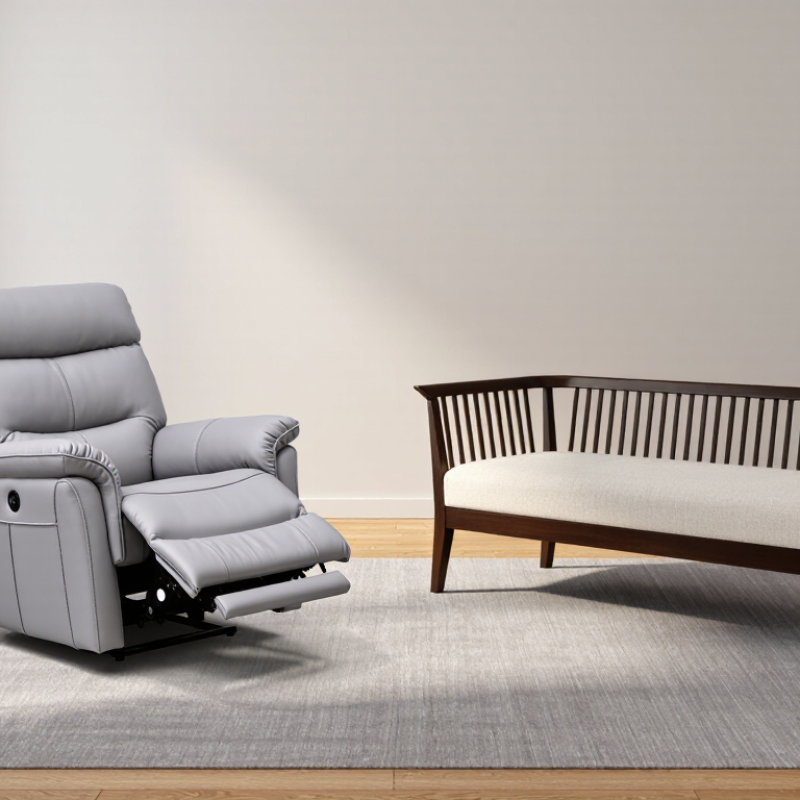
China Best Recliner or Bench for Back Pain?

Understanding Back Pain Support Needs in Recliners and Benches

Choosing the best recliner or bench for back pain requires more than soft cushions. Support should match your posture, body size, and daily routine. A recliner can reduce pressure by supporting the lower back, hips, neck, and legs together. Look for adjustable back angles, firm lumbar padding, and a footrest that keeps your knees comfortably bent. Your feet should rest fully, not hang above the floor. Small details matter.

A bench offers a different kind of support. It encourages an upright sitting position, which may help during short meals, dressing, or light work. Choose a bench with a level seat, stable legs, and enough depth to support the thighs without pressing behind the knees. A thin, firm cushion can improve comfort, but excessive softness may cause the pelvis to tilt backward. That position can increase strain for some people. Pain is personal.

From practical seating assessments, frequent position changes often matter more than one “perfect” chair. Try sitting for ten minutes before deciding. Notice whether your shoulders relax and whether standing up feels easy. A recliner may suit rest, while a bench may suit brief, active sitting. Still, neither option treats the cause of back pain. People with numbness, weakness, severe pain, or symptoms lasting several weeks should seek advice from a qualified healthcare professional. I would also reconsider any seat that looks comfortable but makes movement harder.

Key Ergonomic Features for Comfortable Back Support

Choosing a recliner or bench for back pain starts with fit, not softness. Your lower back should meet a gentle, continuous curve. A gap near the waist can leave muscles working all day. Look for adjustable lumbar support, a stable seat, and a backrest that tilts without forcing your hips forward. Small details matter.

For a recliner, the footrest should support the legs without pressing behind the knees. When your feet float, your pelvis may rotate and increase strain. The seat depth should let you sit fully back while keeping two or three fingers behind your knees. For a bench, choose a firm cushion and a height that keeps both feet flat. A slightly angled back can help, but a rigid upright position is not automatically better. Comfort should feel supported, not trapped.

I would test either option for at least ten minutes, then change positions. Notice pressure around the tailbone, uneven shoulder height, or numbness. These signals deserve attention. Evidence-based ergonomic advice supports movement, so no chair should become a place to remain still for hours. I once favored a deeply cushioned seat, yet it made standing harder and encouraged slouching. That choice looked comfortable but failed in daily use. People with persistent or worsening pain should ask a qualified healthcare professional for individualized advice.

China Best Recliner or Bench for Back Pain? Key Ergonomic Features for Comfortable Back Support

The chart summarizes commonly used ergonomic design ranges for seating. A recliner or bench should provide adjustable lumbar support, a seat depth that supports the thighs without pressing behind the knees, a seat height that allows the feet to rest flat, and a slightly reclined back angle. Individual body size, mobility, and medical needs should be considered when choosing furniture.

Comparing Recliners and Benches for Different Back Conditions

China Best Recliner or Bench for Back Pain?

A recliner may suit people with lumbar stenosis or tired lower-back muscles. Its adjustable backrest can reduce the need to bend forward. A small cushion behind the waist may improve comfort. Keep both feet supported, not dangling. The best position is usually slightly open at the hips, rather than deeply curled. Still, sitting too long can increase stiffness. Reclining is not a cure.

A bench can work better for people who need firm support and easier standing. A higher bench may help older adults with weak legs or painful knees. It also keeps the spine more upright during short meals or work sessions. However, a hard, flat bench may worsen pain from disc irritation, tailbone sensitivity, or reduced hip mobility. Add a thin, firm pad, not a thick cushion that tilts the pelvis backward. Short periods matter.

Your back condition changes the answer. Someone with spinal stenosis may prefer a supported recliner. Someone recovering from prolonged sitting may benefit from a firm bench and regular walking. People with severe weakness, numbness, or pain spreading into the leg should seek clinical assessment. Personal testing is useful, but it can mislead. Try each seat for ten minutes, then check pain during standing and later that evening. One detail is easy to overlook: comfort immediately does not always mean better support.

How to Choose the Best China-Made Recliner or Bench

China Best Recliner or Bench for Back Pain?

How to Choose the Best China-Made Recliner or Bench

Choosing a China-made recliner or bench for back pain requires more than checking appearance or price. Measure the seat depth, back height, and armrest position before ordering. Your feet should rest flat, while your knees remain close to hip level. Measure twice. Do not guess.

Look for firm lumbar support that follows the natural curve of your lower back. A recliner should move smoothly and hold stable positions without sudden drops. For a bench, choose a supportive cushion and a solid frame that does not flex excessively. High-resilience foam usually offers better long-term support than very soft filling. Soft is not always better. A plush seat may feel comfortable for ten minutes, then increase pressure around the hips.

Reliable suppliers should provide clear specifications, material details, weight capacity, and product testing records. Inspect stitching, welds, hinges, and surface finishing in photographs or samples. Ask whether replacement parts are available. That matters. Factory experience, consistent quality checks, and transparent communication are stronger signs than attractive catalog images.

Consider your actual routine. Someone reading for an hour may need deeper head support, while a shorter user may need a shallower seat. No recliner suits every back. Persistent or severe pain deserves professional medical advice. I would also leave room for doubt: comfort during a showroom test may not reflect daily use, especially after several weeks.

Materials, Adjustability, Safety, and Long-Term Durability

China Best Recliner or Bench for Back Pain? Materials, Adjustability, Safety, and Long-Term Durability

The World Health Organization reported 619 million people lived with low back pain in 2020. That figure may reach 843 million by 2050. A recliner or bench cannot treat the cause, but proper support can reduce daily strain. Choose high-resilience foam, breathable fabric, and a firm, stable frame. Soft cushions feel comfortable at first. They may allow your pelvis to tilt backward after an hour. I have found that a small lumbar gap becomes obvious during longer sitting.

Adjustability matters more than appearance. Look for independent back and footrest movement, a lockable recline, and enough seat depth to support your thighs without pressing behind the knees. A useful test is simple: keep both feet supported, then change position without pushing hard against the armrests.

For benches, add a firm back cushion and avoid fixed, shallow seats. Not every “ergonomic” claim is measured.

Safety deserves direct checking.

Ask for the maximum user load, tip-resistance testing, pinch-point protection, and replacement-part availability. Relevant seating standards, including EN 12520 and ANSI/BIFMA testing methods, can help assess construction, although they do not prove pain relief.

The U.S. Consumer Product Safety Commission continues to highlight furniture tip-over risks, mainly for storage units; recliners still need stable bases and secure mechanisms.

Long-term durability depends on weld quality, joint reinforcement, foam density, and repeated-cycle testing. Cheap upholstery is not always cheap. My own weak point is assuming a heavy chair is durable; weight alone proves little.

FAQS

Should I choose a recliner or bench for back pain?

Choose based on fit, support, and your condition. A recliner may suit lumbar narrowing or tired lower-back muscles. A firm bench may support easier standing. Test both carefully.

How should lumbar support feel?

Your lower back should meet a gentle, continuous curve. Avoid a visible gap near your waist. Adjustable support is useful. Too much pressure can also feel wrong.

What seat depth helps reduce leg and back strain?

Sit fully back with two or three fingers behind your knees. Your thighs should feel supported. The seat must not press behind your knees. Small measurements matter.

How should a recliner footrest support the legs?

Both feet should rest securely on the footrest. Avoid pressure behind your knees. Dangling feet may rotate your pelvis. Keep your hips slightly open, not deeply curled.

What makes a bench suitable for back discomfort?

Choose a firm cushion and a height keeping both feet flat. A slightly angled back may help. Avoid hard, flat surfaces if your tailbone feels sensitive. Short sessions work better.

How long should I test a recliner or bench?

Sit for at least ten minutes. Change positions during the test. Notice tailbone pressure, uneven shoulders, or numbness. Check your pain while standing and later that evening.

Which materials and adjustments deserve attention?

Look for resilient foam, breathable fabric, and a stable frame. Independent back and footrest movement can improve positioning. A lockable recline adds control. Appearance proves little.

What safety and durability details should I check?

Ask about maximum user load, tip resistance, and pinch-point protection. Check whether replacement parts are available. Strong joints and repeated-cycle testing suggest better durability. Heavy does not always mean durable.

Can a supportive seat cure back pain?

No chair treats the underlying cause. Movement remains important. Sitting still for hours may increase stiffness. Persistent pain, numbness, weakness, or leg symptoms need professional assessment. Comfort can mislead.

Conclusion

Choosing the right seating depends on the source and severity of your back pain, as well as how you use the furniture each day. Is a recliner or a bench better for back pain? A recliner may provide more personalized support through adjustable back angles, foot elevation, lumbar cushioning, and easier changes in posture. A bench can be suitable for short periods, dining, entryway use, or users who prefer a firm, upright position, but it should offer proper seat height, depth, cushioning, and back support to avoid strain.

When selecting a China-made recliner or bench, focus on ergonomic design, stable construction, breathable and durable materials, smooth adjustment mechanisms, supportive foam, and safe weight capacity. Check whether the seat encourages neutral spinal alignment and allows easy sitting and standing. Long-term durability also depends on strong frames, reliable joints, quality upholstery, and simple maintenance. The best choice is the one that matches individual back conditions, daily activities, comfort preferences, and professional medical guidance when needed.

Sienna

Sienna

Sienna is a skilled marketing professional with a deep expertise in our company’s core products and services. With a passion for innovation and detail, she plays a pivotal role in crafting insightful blog posts that not only highlight the unique features of our offerings but also provide valuable......