Best Materials for Outdoor Furniture in Rain for 2026?

Time:2026-08-04 Author:Sophia
0%

When considering outdoor furniture, one critical factor is weather resistance. Rain can damage various materials, leading to costly replacements. So, what is the best material for outdoor furniture in rain? Choosing the right material can prolong the life of your furniture and maintain its aesthetics.

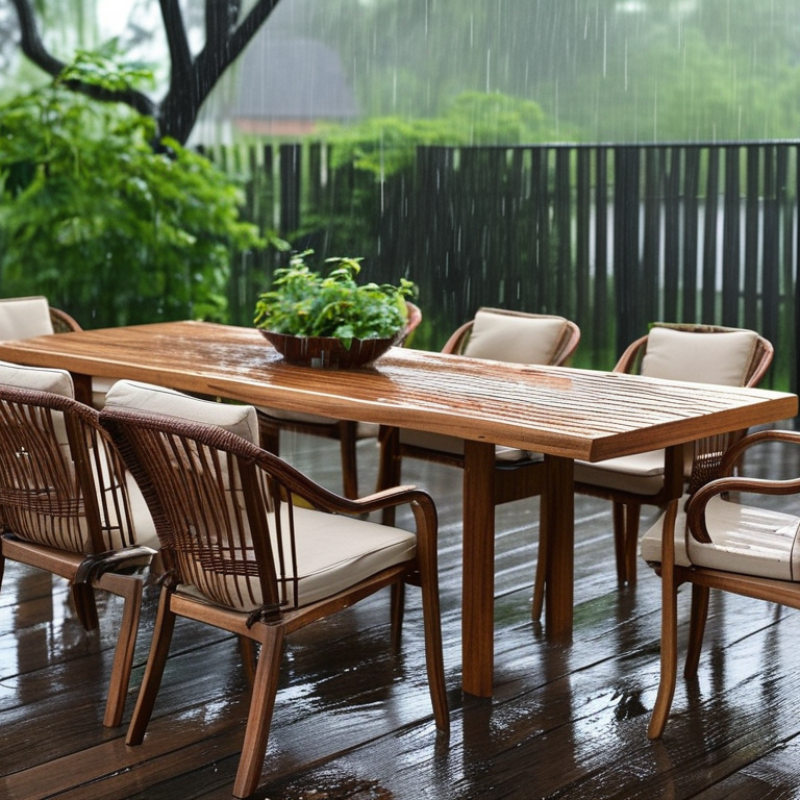
Some popular options include teak, aluminum, and synthetic wicker. Teak is durable and naturally water-resistant, ideal for wet environments. Aluminum is lightweight and resistant to rust, making it another excellent choice. Synthetic wicker mimics traditional materials but offers superior weather resistance and lower maintenance needs.

However, each material comes with challenges. Teak requires regular oiling to maintain its look. Aluminum, while sturdy, can become hot in direct sunlight. Synthetic wicker may fade over time if exposed to harsh sunlight. These nuances highlight the need for research and reflection before making a purchase. Overall, understanding how these materials react to rain is essential for selecting the best outdoor furniture.
Best Materials for Outdoor Furniture in Rain for 2026?

Best Materials for Outdoor Furniture in Rain for 2026

When selecting outdoor furniture that withstands rain, certain materials stand out as the best choices for 2026. Teak, for example, has natural oils that resist moisture and rot. According to industry reports, teak furniture can last over 50 years when properly maintained. This longevity makes it an attractive option for homeowners looking to invest in outdoor pieces.

Another strong contender is aluminum, which is lightweight and rust-resistant. Data from the Furniture Today report highlights that aluminum outdoor furniture sales have grown by 25% in the last two years. This material offers various finishes, allowing for customization while maintaining durability against the elements.

However, not all materials perform equally. For instance, while plastic resin furniture is affordable, its lifespan is significantly shorter, averaging around 5 to 10 years. Homeowners should weigh costs versus durability, learning from communities that have invested in cheaper options only to replace them in a few years. It's clear that choosing the right material is crucial for enjoying outdoor spaces year after year.

Best Materials for Outdoor Furniture in Rain for 2026

Material Water Resistance Durability Maintenance Cost
Teak Wood High Very Durable Low High
Aluminum Moderate Very Durable Low Medium
Wicker (Resin) High Durable Medium Medium
Steel Low Moderately Durable High Low
Plastic High Durable Low Low

Key Considerations for Choosing Weather-Resistant Outdoor Materials

When selecting weather-resistant materials for outdoor furniture, several factors come into play. Durability is crucial. Materials should withstand rain, sunlight, and humidity without deteriorating. Some popular options include teak, aluminum, and synthetic wicker. Teak is known for its resilience and natural oils that repel moisture. Aluminum is lightweight and rust-resistant, making it a great choice for outdoor settings.

Consider maintenance as well. Some materials require regular care to stay in good condition. For instance, wood finishes may need annual sealing. Meanwhile, aluminum generally demands less attention. Think about your climate too. A location with heavy rain may require different solutions than a sunny area. Researching local weather patterns helps optimize selections.

Finally, aesthetics matter. Your outdoor space should be inviting. Choose colors and styles that complement your home. Test the comfort of chairs and tables before buying. Sometimes, the perfect piece might not be ideal after sitting on it. Reflect on your practical needs, and balance them with your design preferences for optimal results.

Best Materials for Outdoor Furniture in Rain for 2026

Top Weather-Resistant Materials for Outdoor Furniture in 2026

When selecting outdoor furniture for rainy conditions in 2026, weather-resistant materials are key. According to a recent National Association of Home Builders (NAHB) report, about 35% of outdoor furniture sales rely on durability and weather resistance. This shows how vital material choice is.

Aluminum is a popular choice. It resists rust and corrosion effectively. However, it's important to check for quality coatings. Some aluminum pieces may still corrode under severe conditions. Another option is synthetic resin wicker, known for its durability. It withstands UV rays and rain well. But not all resin is created equal. Thin or poorly woven options can wear out quickly.

Teak wood also remains a favorite due to its natural oils. These oils provide resistance to moisture and insects. However, untreated teak can fade and crack over time. Regular maintenance is needed to keep it looking its best. Choosing the right material is crucial for longevity, but users must remain aware of their specific needs.

Comparative Analysis of Wood, Metal, and Resin in Rainy Conditions

When considering outdoor furniture for rainy conditions, wood, metal, and resin each offer distinct traits. Wood exudes warmth and elegance but lacks durability. Over time, it can warp and rot if not properly treated. The aesthetic appeal often comes at a cost, requiring more maintenance to combat moisture damage.

Metal furniture, often made from aluminum or steel, is robust and resistant to harsh weather. However, exposed metal can rust, especially in humid climates. Coatings are essential to prevent deterioration. A recent study indicated that painted surfaces can chip and expose the metal underneath, which diminishes their lifespan.

Resin is gaining popularity due to its weather resistance. It doesn’t absorb water and is lightweight. Yet, its appearance may not appeal to everyone. Although resin can mimic the look of wood or metal, it sometimes appears less authentic. Furthermore, cheaper variants can fade in sunlight, which is a concern for long-term use. Each material has its pros and cons, emphasizing the importance of personal preference and environmental conditions in making a choice.

Maintenance Tips for Outdoor Furniture Materials in Wet Weather

Choosing the right materials for outdoor furniture is crucial, especially in rainy conditions. Different materials require distinct care routines to maintain their aesthetic and functionality. Regular maintenance can prevent damage and prolong the life of your outdoor pieces.

Tips for wood furniture: Select hardwoods like teak or eucalyptus. However, even hardwoods can warp or crack over time. Use a protective sealant yearly to keep moisture at bay. Check for signs of mildew. If found, clean it gently with a soft brush and vinegar solution. Always store your furniture in a dry place when not in use, if possible.

For metal furniture, rust is a common concern. Opt for aluminum or stainless steel which resist corrosion. Regularly wipe down with a damp cloth after rainfall. Inspect for any chips in the paint, as these can lead to rust formation. Applying a metal polish can offer additional protection against the elements. Finally, consider using protective covers when furniture is not in use, as this can be an easy way to guard against repeated exposure to wet weather.

FAQS

: What materials are best for outdoor furniture in rainy weather?

: Weather-resistant materials like aluminum, synthetic resin, and teak wood are ideal choices.

Is aluminum a good option for outdoor furniture?

Aluminum resists rust and corrosion but check for quality coatings to ensure durability.

How does synthetic resin wicker perform outdoors?

Synthetic resin wicker is durable against UV rays and rain but varies in quality.

What should I know about teak wood?

Teak wood is naturally resistant to moisture and insects, but it requires maintenance to prevent fading.

What are the drawbacks of wood furniture?

Wood looks good but can warp and rot without proper treatment, requiring regular upkeep.

How does metal hold up in harsh weather?

Metal is strong and durable, but exposed surfaces can rust, so coatings are essential.

Can resin furniture look like wood or metal?

Resin can mimic these materials, but some find it less authentic in appearance.

Is all resin furniture equally durable?

No, thinner or poorly woven resin can wear out quickly and fade in sunlight.

What’s a concern for painted metal furniture?

Painted surfaces can chip, exposing metal, which reduces the furniture's lifespan.

How should I choose outdoor furniture materials?

Consider your specific needs, personal preferences, and the environmental conditions.

Conclusion

When considering outdoor furniture for rainy conditions in 2026, it's crucial to ask, "What is the best material for outdoor furniture in rain?" Key factors include durability, resistance to moisture, and ease of maintenance. Each material—wood, metal, and resin—has its strengths and weaknesses in wet weather.

Wood provides natural aesthetics but may require more upkeep to prevent rot. Metal, particularly stainless steel or aluminum, offers robustness but can be prone to rust without proper coatings. Resin is lightweight and highly resistant to water, making it an attractive option for long-term use. A comparative analysis of these materials reveals that while all can perform adequately, resin tends to excel in rainy climates. Regular maintenance, including cleaning and protective treatments, further enhances the longevity of these materials in wet conditions.

Sophia

Sophia

Sophia is a dedicated marketing professional with an exceptional depth of knowledge about her company's products and services. With a keen understanding of market trends and customer needs, she crafts insightful blog posts that not only inform but also engage readers, enriching the company’s online......